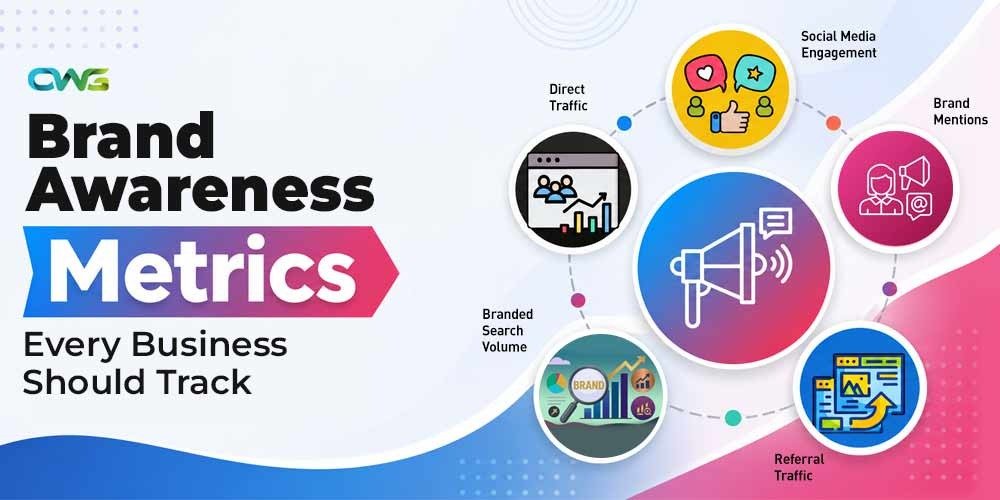
Brand awareness plays a major role in influencing customer trust, engagement, and purchasing decisions. However, simply running marketing campaigns is not enough. To understand whether your efforts are truly making an impact, you need to track the right brand awareness metrics. It will further allow you to modify your marketing strategies for better brand awareness.
Critical aspects of Brand Awareness
The following are the crucial aspects of brand awareness. Let’s discuss further.
- Brand Recognition – It is a key aspect of brand awareness. It indicates the ability of a consumer to recognize you brand by your logo, slogan, packaging, etc.
- Brand Recall – It measures the ability of a consumer to remember your brand name when they have a specific need. It implies that your brand is on top of their mind when they are looking for a specific product or services similar to yours.
- Brand Perception–Positive experiences, good customer service, and a strong reputation all contribute to how consumers perceive a business. A positive brand image helps build stronger awareness over time.
- Customer Trust – Trust plays a major role in brand awareness. People are more likely to choose brands they trust. Businesses that regularly deliver quality products or services tend to earn higher trust from customers.
- Competitive Advantage – A well-known brand often has an advantage over competitors. When consumers are already familiar with a business, they are generally more comfortable choosing it instead of a lesser-known option.
- Customer Loyalty – Strong brand awareness can lead to long-term customer loyalty. When customers have positive experiences with a brand, they are more likely to return for future purchases and recommend the business to others.
- Easier Market Entry – For new businesses or products, building brand awareness is crucial. It helps introduce the brand to potential customers and creates a foundation for future growth and recognition.
- Measuring Marketing Success – Businesses also use brand awareness metrics to evaluate their marketing efforts. Tracking changes in visibility, engagement, and audience reach can help determine how effective advertising campaigns, social media activities, and other strategies are.
- Brand Equity – Brand awareness is a key part of brand equity, which refers to the overall value and strength of a brand. The more familiar and trusted a brand becomes, the stronger its overall market value can grow.
5 Brand Awareness Metrics That Businesses Should Track
The following are crucial brand awareness metrics that businesses should track.
Branded Search Volume
It refers to the number of times people search for your business name, product name, or services on search engines. These searches show that people already know about your brand and are actively looking for it online.
A high branded search volume is often a strong sign that your marketing efforts are working. When more people search for your brand directly, it usually means your business is becoming more recognizable and memorable.
This metric also helps improve your online visibility. Search engines tend to view frequently searched brands as more trustworthy and relevant. As a result, your website may appear higher in search results, not only for your brand name but also for related industry keywords. Increased branded searches can also improve your chances of appearing in suggested searches and related search results, helping more people discover your business.
Tips to Improve It
The following tips can help improve branded search volume.
- Create helpful and informative content to answer your audience’s questions to showcase your expertise
- Maintain active social media profiles
- Publish blogs regularly
- Optimize your website content for relevant keywords
- Strengthen internal linking structure
Over time, consistent branding and valuable content can encourage more people to search for your business directly.
Direct Traffic
It refers to visitors who land on your website by typing your URL directly into their browser or accessing it through saved bookmarks. It can also include users who already know your brand and visit your website without coming from a search engine or external website.
Direct traffic is a strong indicator of brand familiarity and customer interest. When people visit your website directly, it usually means they already recognize your business and intentionally want to learn more about your products or services.
A steady increase in direct traffic often suggests growing brand awareness and customer trust. It also signals to search engines that your website is valuable and relevant, which can positively impact your search rankings and online visibility.
Tips to Increase It
The following tips can help increase your direct traffic.
- Make your website easy to remember, user-friendly, and mobile-responsive
- Create content that matches the needs and interests of your audience
- Create content based on your audience intent
- Create content for different stages of the customer journey to encourage repeat visits and improve overall engagement with your brand
Referral Traffic
It refers to the visitors who come to your website through links on other websites rather than through search engines. This can include traffic from blogs, online directories, social media platforms, review sites, news articles, and other external sources.
Referral traffic helps expose your business to new audiences. When people discover your website through trusted external sources, it can improve your credibility and increase awareness of your brand.
Strong referral traffic often means your content is being shared, recommended, or discussed online. It can also lead to more leads, customer inquiries, and conversions because visitors arriving from trusted sources are often already interested in your industry or services.
Tips to Increase It
The following tips can help increase referral traffic
- Create valuable content that others want to share or reference
- Guest blogging
- Publish informative articles
- Join industry discussions
- Collaborate with other businesses
- Engage with communities online
- Write thoughtful comments on relevant blogs, discussions, etc
- Share useful insights on social media
Focus on providing value instead of only promotional messages.
Brand Mentions
It refers to the time someone mentions your brand online or offline. They can appear in social media posts, blog articles, online reviews, videos, forums, comments, or news stories. Sometimes your brand may be tagged directly, while other times it may simply be mentioned by name.
Tracking brand mentions helps you understand how people perceive your business. Positive mentions can strengthen your reputation and build trust with potential customers. On the other hand, negative mentions, , can highlight areas where your business may need improvement.
Monitoring conversations about your brand also allows you to engage with your audience more effectively. Responding to feedback, both positive and negative, can show your audience that you value their opinion.
Tips to Improve It
The following tips can help increase brand mentions
- Monitor brand mentions using social listening tools, search alerts, or manual searches across social media and search engines
- Look for common misspellings or variations of your brand name to avoid missing important conversations
- Encourage satisfied customers to leave reviews
- Encourage satisfied customers to share user-generated content and tag your brand to improve your online reputation
Social Media Engagement
Social media engagement measures how people interact with your content on different platforms. High engagement often indicates that your content is relevant to your audience. When people actively interact with your posts, it increases the reach of your content and helps spread awareness of your brand to a larger audience.
Tips to Improve It
- Create content that is informative, relatable, and valuable to your audience
- Respond to comments, messages, and shares
- Regularly reviewing your social media performance can help you identify which posts generate the most engagement so you can continue refining your strategy over time
Therefore, by monitoring these brand awareness metrics you can modify and optimize your marketing efforts for better business results. Complete Web Graphics can help develop effective marketing and branding strategies to boost your brand awareness and increase opportunities to get more qualified leads and sales.