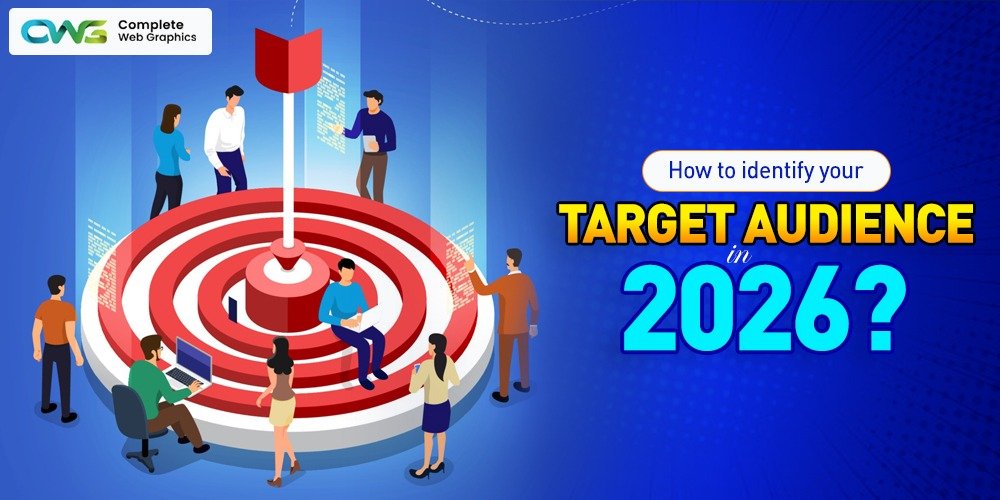
Today, the digital landscape is highly competitive. As a result, consumers are constantly exposed to personalized content, targeted advertisements, and tailored experiences across multiple channels. As a result, businesses must understand who their target audiences are. Identifying your target audience allows you to create relevant messaging, allocate marketing resources more effectively, and build stronger relationships with potential customers.
Types of Target Audiences
Understanding the different types of target audiences helps businesses create more personalized marketing campaigns and deliver the right message to the right people. The following are the different types of target audiences-
- Demographic Audience – This type of audience is defined by measurable characteristics such as age, gender, income, education level, occupation, marital status, etc.
- Geographic Audience – This type of audience is segmented based on geographic location, including country, state or region, city, etc.
- Psychographic Audience – This type of audience is grouped according to values and beliefs, lifestyle choices, interests and hobbies, personality traits, etc.
- Behavioral Audience – This type of audience is based on how people interact with products, services, or brands. It includes purchasing behavior, brand loyalty, product usage frequency, online activity, buying stage, etc.
- B2B (Business-to-Business) Audience – Companies that sell products or services to other businesses often segment audiences by industry, company size, revenue, job title, decision-making authority, etc.
- Interest-Based Audience – This type of audience is categorized by specific interests such as technology, travel, sports, fashion, etc.
- Intent-Based Audience–These audiences are targeted based on their intent behind their searches. These include informational, navigational, commercial, and transactional.
- Customer Lifecycle Audience – These audiences are categorized based on their position in the customer journey. It includes prospects, leads, first-time customers, repeat customers, loyal advocates, etc.
Importance of Identifying Your Target Audience
Identifying your target audience is essential for creating marketing campaigns that resonate with the right people. It allows you to tailor your communications, offers, and content to their specific needs and interests. It leads to more effective marketing, higher engagement, and better ROI.
More Personalized Customer Experiences
Understanding your audience’s needs, preferences, and pain points allows you to create personalized content that is relevant and valuable. Personalized interactions help improve customer satisfaction and strengthen relationships throughout the buyer journey.
Stronger Brand Voice and Messaging
Knowing your audience makes it easier to develop a brand voice that connects with your audience. You can frame your messaging to match the expectations and interests of different customer groups. It helps make your brand more relatable and memorable.
Increased Brand Loyalty and Advocacy
Customers who feel understood are more likely to trust your brand and remain loyal. Satisfied customers often become brand advocates, recommending your products or services to others. It helps broaden your audience reach through positive word-of-mouth.
Improved Customer Retention
Retaining existing customers is often more cost-effective than acquiring new ones. By understanding your audience and consistently delivering relevant experiences, you can build long-term customer relationships. Further, it helps improve audience retention and maximize customer lifetime value.
Better Products and Services
Your target audience can provide valuable insights into what works, what doesn’t, and what improvements they would like to see. Feedback from customers helps businesses refine existing products, identify new opportunities, and develop solutions to meet market needs.
More Effective Marketing Campaigns
Defining target audiences allows businesses to focus their marketing efforts on the channels, content, and strategies most likely to drive results. It helps improve campaign performance, reduce wasted advertising spend, and increase conversion rates.
Steps to Identify Your Target Audience
Defining your target audience is a crucial step in creating effective marketing strategies. By understanding who is most likely to benefit from your products or services, you can tailor your marketing efforts accordingly to drive conversion. The following steps can help identify and refine your target audience.
Step 1: Evaluate Your Products or Services
Analyze your brand offerings and determine who would likely benefit from them. You can identify the problem that your product or service can help solve. Consider the challenges, needs, or pain points that your solution addresses and how it can help your customers.
Furthermore, identify the characteristics of people who would benefit most from your solution. Consider factors such as their lifestyle, profession, interests, or business needs. Finally, define your unique selling proposition (USP) that sets your offering apart from competitors. Understanding your USP will help you identify the audience most likely to respond to your brand.
Step 2: Conduct Market and Competitor Research
Once you have a basic understanding of your ideal customers, broaden your research by examining the market and your competitors. Analyze businesses that offer similar products or services and the audiences they target.
Review competitor websites, social media channels, customer reviews, and marketing campaigns to gain valuable insights. You can also use analytics and SEO tools to understand market trends and discover audience interests that align with your offerings.
Step 3: Develop Detailed Buyer Personas
A buyer persona is a semi-fictional representation of your ideal customer based on research and data. Creating buyer personas helps you better understand your audience’s preferences and challenges.
Your buyer persona should include information such as:
- Age and gender
- Occupation and industry
- Education level
- Income range
- Geographic location
- Goals and aspirations
- Pain points and challenges
- Interests and hobbies
- Preferred communication channels
- Buying behaviors and decision-making factors
You can gather this information through customer surveys, interviews, website analytics, and sales data. Creating multiple personas may be necessary if your business serves different customer segments.
Step 4: Identify the Right Marketing Channels
Analyze your buyer personas to determine the platforms, websites, and channels they use most frequently.
For example, younger audiences may be more active on social media platforms, while professionals may prefer industry publications, email newsletters, or professional networking platforms. Identifying the right channels ensures your marketing efforts reach the right people and deliver the greatest impact.
Additionally, consider the type of content and messaging that resonates with each audience segment. Different groups may respond better to videos, blogs, webinars, social media posts, or email campaigns.
Step 5: Test, Measure, and Refine
Identifying your target audience is not a one-time task. Once you have defined your audience, validate your assumptions through testing and data analysis.
Collect feedback through surveys, customer interviews, and campaign performance metrics. Monitor engagement rates, conversion rates, website behavior, and customer responses to determine whether your audience targeting is effective.
Use these insights to refine your buyer personas, adjust your messaging, and optimize your marketing strategies over time. As customer preferences and market conditions evolve, regularly updating your target audience profiles will help ensure your marketing remains relevant and effective.
By following these steps, you can identify your target audiences. Complete Web Graphics is a digital marketing agency that can help develop customized branding and marketing solutions. We can help develop effective digital marketing strategies to target the right audience to boost business conversion.